Ever wonder why some companies dominate their industry while others struggle to close deals? The secret often lies in mastering B2B sales—where relationships, strategy, and precision drive results. Let’s dive into the real tactics that top performers use to win.

Understanding the Fundamentals of B2B Sales
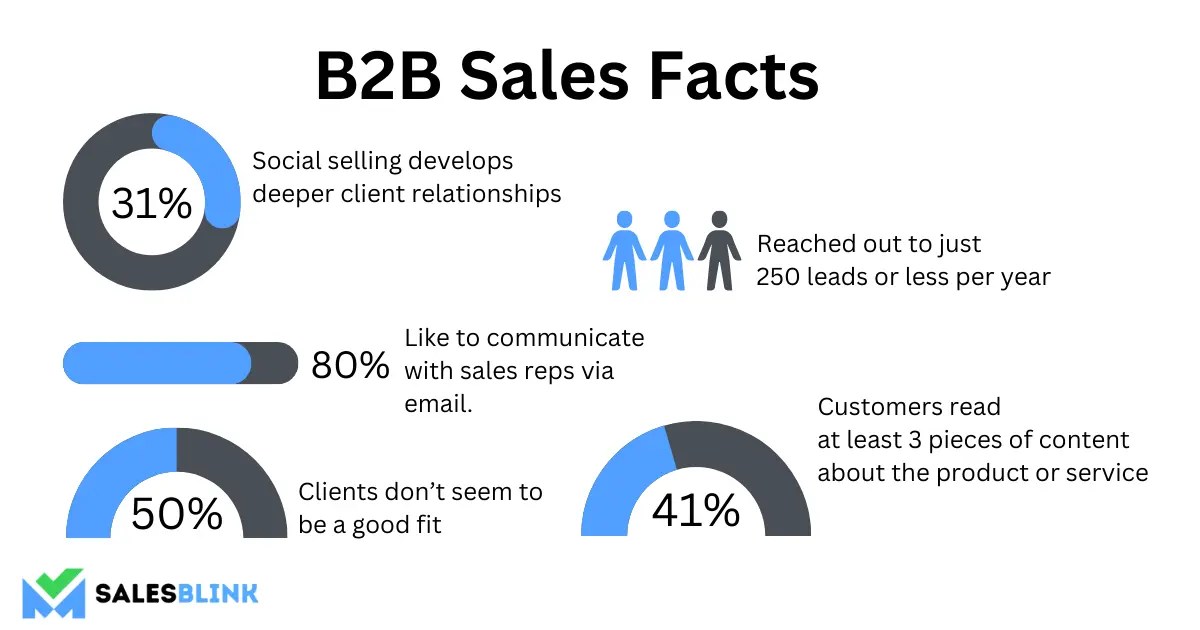
B2B sales, or business-to-business sales, is the process of selling products or services from one company to another. Unlike B2C (business-to-consumer) transactions, B2B sales cycles are typically longer, involve multiple stakeholders, and require a deeper understanding of the client’s operational needs. This complexity demands a structured, consultative approach.
What Sets B2B Sales Apart from B2C?
The core difference lies in decision-making. In B2C, a single individual can make a purchase based on emotion or immediate need. In B2B sales, decisions are rational, data-driven, and often involve a committee. A 2023 report by Gartner found that the average B2B buying group now includes 6.8 decision-makers, making stakeholder alignment critical.
- B2B sales involve higher transaction values
- Purchase decisions are based on ROI, efficiency, and long-term value
- Sales cycles can last weeks to months
“In B2B sales, you’re not just selling a product—you’re selling a solution to a business problem.” — Jill Konrath, Sales Strategist
The Evolution of B2B Sales Over the Decades
B2B sales have evolved from transactional, relationship-based models in the 1980s to today’s digital-first, insight-driven processes. The rise of CRM systems, data analytics, and AI-powered tools has transformed how sales teams engage with prospects. According to Salesforce’s State of Sales Report, 74% of high-performing sales teams now use AI for lead scoring and forecasting.
This shift has also changed buyer expectations. Modern B2B buyers are more informed than ever, often completing 70% of their research before ever speaking to a sales rep. This means the traditional ‘pitch-and-close’ model is obsolete. Today’s B2B sales professionals must act as trusted advisors, offering insights before solutions.
The B2B Sales Process: A Step-by-Step Breakdown
A well-defined B2B sales process is the backbone of consistent revenue growth. While models vary, most high-performing organizations follow a structured framework that guides prospects from awareness to close. Skipping steps or rushing the process can lead to lost deals and damaged relationships.
Prospecting and Lead Generation
Prospecting is the first and most critical stage. It involves identifying potential customers who fit your ideal customer profile (ICP). Effective prospecting combines data-driven research with personalized outreach. Tools like LinkedIn Sales Navigator, ZoomInfo, and Apollo.io help sales reps find decision-makers and understand company pain points.
Successful B2B sales teams don’t just spray-and-pray with cold emails. They use account-based prospecting, tailoring messages to specific industries, roles, and challenges. For example, a SaaS company selling HR software might target CHROs at mid-sized tech firms experiencing high turnover.
- Use firmographic and technographic data to qualify leads
- Leverage social selling to build credibility before outreach
- Track engagement metrics (open rates, reply rates) to refine messaging
Qualifying Leads with BANT and Other Frameworks
Not all leads are worth pursuing. Qualifying helps you focus on prospects with the highest conversion potential. The BANT framework—Budget, Authority, Need, and Timeline—is a classic method used in B2B sales.
- Budget: Does the prospect have allocated funds?
- Authority: Is the contact a decision-maker or influencer?
- Need: Do they have a clear pain point your solution addresses?
- Timeline: When do they plan to make a decision?
While BANT is effective, modern B2B sales teams often combine it with frameworks like MEDDIC (Metrics, Economic Buyer, Decision Criteria, Decision Process, Identify Pain, Champion) for complex sales. According to Gong, deals using MEDDIC close 30% faster on average.
Discovery and Needs Analysis
This stage is where real value is created. Instead of pitching, top sales reps ask strategic questions to uncover the prospect’s challenges, goals, and decision-making process. A discovery call should feel like a consultation, not an interrogation.
Key questions include: “What’s your biggest operational bottleneck?” or “How are you currently measuring success in this area?” Active listening and note-taking are essential. The goal is to map your solution to their specific pain points, demonstrating ROI early.
“The best salespeople don’t talk about their product—they talk about the customer’s business.” — Marc Miller, Author of ‘Selling from the Heart’
Mastery of B2B Sales Techniques That Close Deals
Technique matters. In B2B sales, where stakes are high and competition fierce, using the right approach can mean the difference between winning and losing. Let’s explore proven methods used by top performers.
Consultative Selling: The Advisor Approach
Consultative selling positions the salesperson as a trusted advisor rather than a vendor. It’s about diagnosing problems before prescribing solutions. This approach builds credibility and long-term relationships.
For example, a cybersecurity firm might begin by conducting a free risk assessment for a prospect, identifying vulnerabilities before discussing their product. This adds value upfront and positions the rep as an expert.
- Focus on asking open-ended questions
- Provide industry insights and benchmarks
- Align solutions with the client’s strategic goals
According to Harvard Business Review, consultative sellers are 1.5x more likely to exceed their quotas.
Social Selling in the Digital Age
Social selling leverages platforms like LinkedIn to build relationships, share content, and engage prospects before direct outreach. It’s not about spamming connections with pitches—it’s about adding value through thought leadership.
A sales rep might comment on a prospect’s post about digital transformation, share a relevant case study, or publish insights on industry trends. Over time, this builds familiarity and trust, making cold outreach feel warm.
- Engage with prospects’ content authentically
- Share valuable content (whitepapers, webinars, infographics)
- Use LinkedIn to identify buying signals (job changes, funding news)
LinkedIn reports that sales professionals who use social selling are 51% more likely to hit their quotas.
Handling Objections with Confidence
Objections are inevitable in B2B sales. Common ones include “It’s too expensive,” “We’re happy with our current provider,” or “We don’t have the budget right now.” The key is to reframe objections as opportunities to clarify value.
For price objections, focus on ROI. Instead of lowering the price, demonstrate long-term savings or revenue impact. For example: “I understand the upfront cost seems high, but our clients typically see a 3x return within 12 months.”
- Listen fully before responding
- Acknowledge the concern (“That’s a valid point”)
- Reinforce value with data or case studies
“An objection is not a ‘no’—it’s a request for more information.” — Jeffrey Gitomer, Sales Author
The Role of Technology in Modern B2B Sales
Technology has revolutionized B2B sales, enabling teams to scale outreach, personalize interactions, and predict outcomes with unprecedented accuracy. From CRMs to AI-driven insights, the right tools can be a game-changer.
CRM Systems: The Backbone of B2B Sales
Customer Relationship Management (CRM) platforms like Salesforce, HubSpot, and Microsoft Dynamics are essential for managing leads, tracking interactions, and forecasting revenue. A well-maintained CRM ensures no opportunity falls through the cracks.
Top-performing sales teams use CRMs not just for logging calls, but for analyzing deal health, identifying bottlenecks, and automating follow-ups. For example, setting up workflows to send a case study after a demo can nurture leads without manual effort.
- Centralize all customer data in one place
- Automate repetitive tasks (email sequences, reminders)
- Generate real-time sales reports and dashboards
According to Nucleus Research, businesses gain an average of $8.71 for every $1 spent on CRM.
AI and Automation in B2B Sales
Artificial Intelligence is no longer science fiction—it’s a sales enabler. AI tools can analyze email sentiment, predict which leads are most likely to convert, and even suggest the best time to follow up.
Platforms like Gong and Chorus record and analyze sales calls, providing feedback on talk-to-listen ratios, keyword usage, and objection handling. This helps reps improve their technique and managers coach more effectively.
- Use AI for lead scoring and prioritization
- Leverage chatbots for initial qualification
- Implement predictive analytics for forecasting
A McKinsey study found that AI-powered sales teams achieve 20-30% higher conversion rates.
Video and Virtual Selling Tools
Post-pandemic, virtual selling is the norm. Tools like Zoom, Demio, and Loom allow reps to conduct demos, share screens, and send personalized video messages at scale.
Personalized video outreach—where a rep records a short message addressing a prospect by name and referencing their company—has been shown to increase reply rates by up to 300%. It humanizes the interaction in a digital world.
- Use video to explain complex solutions
- Send personalized video emails for follow-ups
- Host virtual product demos with interactive elements
“Video doesn’t replace human connection—it enhances it.” — Kristina Halvorson, Content Strategy Expert
B2B Sales Metrics That Matter: Measuring Success
You can’t improve what you don’t measure. In B2B sales, tracking the right KPIs helps you identify strengths, fix weaknesses, and forecast revenue accurately.
Key Performance Indicators (KPIs) for B2B Sales Teams
Top KPIs include:
- Sales Cycle Length: Average time from first contact to close. Shorter cycles indicate efficiency.
- Win Rate: Percentage of opportunities that result in closed deals. Industry average is around 20-30%.
- Customer Acquisition Cost (CAC): Total sales and marketing spend divided by number of new customers.
- Customer Lifetime Value (CLTV): Total revenue expected from a customer over their relationship.
- Conversion Rates: By stage (e.g., lead to meeting, meeting to proposal).
According to Cleverly, companies that track KPIs consistently grow 34% faster than those that don’t.
Forecasting Accuracy and Pipeline Health
Sales forecasting is both art and science. Accurate forecasts help leadership plan budgets, hire talent, and set realistic goals. To improve accuracy:
- Regularly review pipeline stages and deal progression
- Use weighted forecasting (e.g., 20% chance at prospecting, 80% at negotiation)
- Conduct weekly pipeline reviews with the team
A healthy pipeline should have 3-5x the value of your quarterly quota. If it’s thinner, you may need to increase prospecting efforts.
Customer Retention and Churn Rate
B2B sales isn’t just about acquisition—it’s about retention. The cost of acquiring a new customer is 5-25x higher than retaining an existing one (Harvard Business Review). Monitoring churn rate (percentage of customers who cancel) is crucial.
Strategies to reduce churn include:
- Onboarding programs to ensure quick time-to-value
- Regular check-ins with customer success teams
- Proactive support and feature updates
Companies with strong retention strategies see up to 90% higher lifetime value.
Building High-Performing B2B Sales Teams
Even the best strategies fail without the right team. Building a high-performing B2B sales organization requires the right mix of talent, training, and culture.
Hiring the Right Sales Talent
Look beyond experience. Traits like curiosity, resilience, and emotional intelligence often predict success more than past业绩. Use structured interviews and role-playing exercises to assess real skills.
- Assess problem-solving ability with scenario-based questions
- Test communication skills with mock discovery calls
- Check cultural fit and motivation
A HireVue study found that bad sales hires cost companies an average of $1.5 million annually in lost revenue.
Training and Onboarding Programs
Effective onboarding reduces ramp time and increases first-year performance. A structured 30-60-90 day plan should include:
- Product and industry training
- CRM and tool proficiency
- Shadowing top performers
- Practice pitches and role-plays
Sales reps who complete formal onboarding are 60% more likely to stay past one year.
Compensation and Incentive Structures
Compensation drives behavior. A well-designed plan should balance base salary with performance-based incentives. Consider:
- Commission for closed deals
- Bonuses for exceeding quotas
- Non-monetary rewards (recognition, career advancement)
Transparency is key—reps should understand how they earn and progress. According to Xactly, 78% of sales reps say clear incentives improve motivation.
The Future of B2B Sales: Trends to Watch
The B2B sales landscape is evolving rapidly. Staying ahead requires anticipating trends and adapting quickly.
Account-Based Selling (ABS) and Personalization
Account-Based Selling treats individual accounts as markets of one. It involves deep research, personalized messaging, and coordinated outreach across sales, marketing, and customer success.
For example, a team might create a custom proposal for a Fortune 500 company, including ROI analysis based on their specific data. This hyper-personalization increases relevance and win rates.
- Use intent data to identify active buyers
- Coordinate multi-channel campaigns (email, social, direct mail)
- Align marketing and sales on target accounts
According to ABM Leadership Alliance, 87% of companies using ABS report higher ROI than traditional methods.
The Rise of Buyer Enablement
Buyer enablement flips the script: instead of pushing information, you equip buyers to make confident decisions. This includes interactive ROI calculators, self-serve demos, and comparison tools.
For instance, a cloud provider might offer a free migration assessment tool that shows cost savings and downtime estimates. This empowers the buyer and speeds up the decision process.
- Provide self-serve resources (knowledge bases, chatbots)
- Offer transparent pricing and contract terms
- Enable peer reviews and case studies
Buyer enablement reduces sales cycle length by up to 30%, according to Gartner.
Sustainability and Ethical Selling in B2B Sales
Today’s B2B buyers care about more than price and performance. They want partners who align with their values. Sustainability, data privacy, and ethical practices are becoming decision factors.
For example, a manufacturing company might choose a supplier based on their carbon footprint or labor practices. Sales reps must be prepared to discuss ESG (Environmental, Social, Governance) metrics.
- Highlight your company’s sustainability initiatives
- Be transparent about data usage and security
- Align with the client’s corporate responsibility goals
A 2023 IBM study found that 68% of B2B buyers consider sustainability when selecting vendors.
What is the average length of a B2B sales cycle?
The average B2B sales cycle ranges from 1 to 6 months, depending on the industry, product complexity, and deal size. For enterprise software, it can extend to 12 months or more due to procurement processes and stakeholder alignment.
How can I improve my B2B sales conversion rate?
Focus on better lead qualification, personalized outreach, and consultative selling. Use CRM data to identify bottlenecks, train your team on objection handling, and leverage case studies to build credibility.
What are the most important skills for B2B sales professionals?
Top skills include active listening, problem-solving, emotional intelligence, industry knowledge, and proficiency with sales technology. The ability to build trust and communicate value clearly is paramount.
Is cold calling still effective in B2B sales?
When done strategically, yes. Personalized, research-backed cold calls that address a specific pain point can still generate meetings. However, it’s most effective when combined with email, social selling, and content marketing.
What role does marketing play in B2B sales success?
Marketing fuels the top of the funnel with lead generation, brand awareness, and content. Sales and marketing alignment—known as ‘smarketing’—is critical for consistent messaging, lead handoff, and campaign effectiveness.
Mastering B2B sales isn’t about quick tricks—it’s about building a repeatable, data-driven process grounded in value creation. From understanding the buyer’s journey to leveraging technology and fostering team excellence, every element plays a role. The future belongs to those who adapt, personalize, and prioritize the customer. Start applying these strategies today, and watch your revenue climb.
Further Reading:
