When it comes to scalable, durable, and highly functional storage solutions in commercial environments, b2b cabinets stand out as a game-changer. These aren’t your average storage units—they’re engineered for efficiency, security, and seamless integration into complex operational workflows.
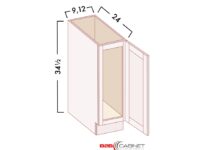





What Are B2B Cabinets and Why They Matter

B2B cabinets refer to specialized storage systems designed and sold from one business to another, primarily for industrial, medical, educational, or office use. Unlike consumer-grade furniture, these cabinets are built to endure heavy usage, protect valuable assets, and support organizational efficiency in professional settings.
Defining B2B Cabinets in Modern Business
The term “B2B cabinets” encompasses a wide range of products—from server racks and medical supply units to industrial tool storage and modular office shelving. What sets them apart is their purpose: they are not marketed to individual consumers but to organizations that require bulk, customized, or high-performance storage solutions.
B2B cabinets are often part of larger facility management or operational infrastructure.They are designed with durability, compliance, and scalability in mind.Customization is a key feature, allowing businesses to tailor dimensions, materials, locking mechanisms, and finishes.
.”B2B cabinets are more than storage—they’re strategic assets that enhance workflow, security, and space utilization in professional environments.” — Industrial Design Review, 2023
How B2B Cabinets Differ from Consumer Cabinets
While consumer cabinets prioritize aesthetics and affordability, b2b cabinets focus on functionality, longevity, and integration with existing systems.For example, a home garage cabinet might use particle board and basic hinges, whereas a B2B industrial cabinet uses reinforced steel, corrosion-resistant coatings, and ergonomic drawer systems rated for thousands of cycles..
- Material quality: B2B cabinets often use commercial-grade steel, aluminum, or composite materials.
- Load capacity: Designed to hold heavy tools, servers, or medical equipment safely.
- Compliance standards: Must meet OSHA, HIPAA, or IT safety regulations depending on the industry.
The Evolution of B2B Cabinets in Commercial Spaces
The history of b2b cabinets reflects broader shifts in industrial design, manufacturing, and workplace organization. From simple metal lockers in early 20th-century factories to today’s smart, IoT-enabled storage units, these systems have evolved to meet growing demands for efficiency and security.
From Industrial Lockers to Smart Storage
In the early 1900s, factories used basic metal cabinets to store tools and personal items. These were functional but lacked customization or security features. As industries grew, so did the need for better organization. By the 1970s, modular b2b cabinets emerged, allowing companies to configure storage based on workflow needs.
Today, smart b2b cabinets integrate RFID tracking, digital access logs, and even AI-powered inventory management. For example, medical facilities use smart cabinets to track controlled substances, ensuring compliance with strict regulatory standards. You can explore more about the history of industrial storage at History.com.
Technological Integration in Modern B2B Cabinets
Modern b2b cabinets are no longer passive storage units. Many now include:
- Electronic locking systems with biometric or PIN access
- Inventory tracking via barcode or RFID scanning
- Integration with ERP or CMMS software for real-time monitoring
This level of technology reduces human error, prevents theft, and streamlines audits. In high-security environments like laboratories or data centers, these features are not just beneficial—they’re essential.
Top 7 Types of B2B Cabinets for Different Industries
Not all b2b cabinets are created equal. The right type depends on the industry, environment, and specific operational needs. Here’s a breakdown of the most common and impactful types.
1. Industrial Tool Storage Cabinets
Used in manufacturing, automotive repair, and construction, these cabinets are built to withstand harsh conditions. Features include:
- Heavy-duty steel construction with powder-coated finishes
- Adjustable shelves and drawer organizers
- Locking mechanisms to prevent unauthorized access
They help reduce tool loss, improve safety, and support 5S workplace organization principles. Companies like Grainger offer a wide range of industrial b2b cabinets—visit Grainger.com for product examples.
2. Medical and Pharmaceutical Storage Units
In healthcare, b2b cabinets must meet strict regulatory standards. These include:
- Temperature-controlled cabinets for medications and vaccines
- Narcotics storage with dual-lock systems for controlled substances
- Antimicrobial surfaces to prevent contamination
Hospitals and clinics rely on these units to maintain HIPAA compliance and ensure patient safety. Vendors like Omnicell specialize in automated medication dispensing cabinets that integrate with electronic health records.
3. Server and Network Enclosure Cabinets
As businesses become more digital, secure IT infrastructure is critical. Server cabinets protect sensitive hardware from dust, tampering, and overheating. Key features include:
- Ventilation and cooling systems
- Cable management trays
- Rack-mount compatibility (19-inch standard)
These b2b cabinets are essential for data centers, schools, and corporate offices. APC by Schneider Electric is a leading provider—check out their solutions at se.com.
4. Laboratory Safety Cabinets
Designed for handling hazardous materials, these cabinets include fume hoods, chemical storage units, and biosafety enclosures. They must comply with OSHA and NFPA standards.
- Fire-resistant construction
- Chemical spill containment trays
- Self-closing doors and ventilation systems
Universities, research labs, and pharmaceutical companies depend on these for safe operations.
5. Office and Administrative Storage Solutions
Even in corporate environments, b2b cabinets play a vital role. These include:
- Filing cabinets with fire and water resistance
- Reception area storage for supplies and documents
- Modular units that integrate with office layouts
They help maintain professionalism, reduce clutter, and protect sensitive data.
6. Retail and Inventory Management Cabinets
Retailers use b2b cabinets for backroom storage, cash handling, and inventory control. Features include:
- Secure cash drawers with audit trails
- Stackable modular units for seasonal stock
- Integration with POS systems for real-time tracking
These cabinets improve loss prevention and operational efficiency.
7. Educational Institution Storage Units
Schools and universities use b2b cabinets for storing lab equipment, AV gear, student records, and art supplies. They are designed for:
- Durability against frequent use by students
- Child-safe locking mechanisms
- Easy-to-clean surfaces
These units support both safety and curriculum delivery.
Key Benefits of Investing in High-Quality B2B Cabinets
Purchasing b2b cabinets isn’t just a cost—it’s an investment in operational excellence. The right cabinets deliver measurable returns across multiple areas of business performance.
Improved Workplace Efficiency and Organization
Cluttered workspaces lead to wasted time and errors. B2B cabinets provide structured storage that supports lean operations. Employees spend less time searching for tools or documents and more time on productive tasks.
- Standardized storage layouts reduce onboarding time for new staff
- Color-coded drawers or bins enhance visual management
- Modular designs allow reconfiguration as needs change
Enhanced Security and Asset Protection
Many b2b cabinets come with advanced locking systems, including electronic access controls and audit logs. This is crucial for protecting:
- Expensive tools and equipment
- Sensitive data and documents
- Controlled substances in healthcare
By reducing theft and unauthorized access, businesses minimize financial losses and legal risks.
Compliance with Industry Regulations
In regulated industries, using compliant b2b cabinets is not optional. For example:
- OSHA requires proper storage of hazardous chemicals
- HIPAA mandates secure handling of patient records
- IT security standards demand locked server cabinets
Failure to comply can result in fines, audits, or loss of certification. High-quality b2b cabinets help organizations meet these requirements effortlessly.
How to Choose the Right B2B Cabinets for Your Business
Selecting the best b2b cabinets requires careful evaluation of several factors. Rushing the decision can lead to poor fit, wasted budget, or operational bottlenecks.
Assessing Your Storage Needs and Workflow
Start by mapping out your current storage challenges. Ask:
- What items need to be stored? (Tools, files, chemicals, servers, etc.)
- How frequently are they accessed?
- Who needs access, and what are their roles?
Conduct a workspace audit to identify inefficiencies. This helps determine the size, number, and type of b2b cabinets required.
Material, Durability, and Environmental Factors
The environment where the cabinet will be used dictates material choice:
- Humid or outdoor areas: stainless steel or weather-resistant polymers
- High-traffic zones: reinforced steel with scratch-resistant coating
- Chemical exposure: non-reactive materials like polyethylene
Durability ratings, such as load capacity and cycle life for drawers, should match expected usage intensity.
Customization and Integration Options
Many suppliers offer customization for b2b cabinets, including:
- Custom dimensions to fit tight spaces
- Branded logos or color schemes
- Pre-installed tech like RFID readers or sensors
Integration with existing software systems (e.g., inventory management) adds long-term value. Always request a demo or sample before bulk ordering.
The Role of B2B Cabinets in Supply Chain and Logistics
In logistics and warehousing, b2b cabinets are critical for managing tools, spare parts, safety gear, and documentation. They support just-in-time inventory models and reduce downtime.
Supporting Lean Inventory Practices
Lean operations depend on visibility and control. B2B cabinets with inventory tracking enable:
- Real-time stock level monitoring
- Automated reordering triggers
- Reduction in overstocking and waste
This leads to lower carrying costs and improved cash flow.
Reducing Downtime with Strategic Tool Storage
In maintenance and repair operations (MRO), quick access to tools is essential. Poorly organized storage leads to delays. B2B cabinets with shadow boards, labeled drawers, and mobile bases ensure technicians can find what they need instantly.
- Mobile tool cabinets can follow work crews
- Digital check-in/check-out systems track usage
- Preventive maintenance schedules can be linked to cabinet access logs
Future Trends Shaping the B2B Cabinets Industry
The b2b cabinets market is evolving rapidly due to technological advances and changing workplace dynamics. Staying ahead of trends ensures long-term value from your investment.
Rise of Smart and Connected Cabinets
IoT-enabled b2b cabinets are becoming mainstream. These units can:
- Send alerts when supplies are low
- Log user access for security audits
- Integrate with AI-driven inventory forecasting
Companies like Amazon Business are already offering smart lockers for enterprise use, signaling a shift toward automation.
Sustainability and Eco-Friendly Materials
As ESG (Environmental, Social, and Governance) goals gain importance, businesses are demanding greener b2b cabinets. Trends include:
- Use of recycled steel and plastics
- Low-VOC finishes and sustainable manufacturing processes
- Modular designs that extend product life through upgrades
Suppliers like IKEA Business now offer eco-certified storage solutions for commercial clients.
Customization and On-Demand Manufacturing
3D printing and digital fabrication are enabling on-demand production of b2b cabinets. This reduces lead times, minimizes waste, and allows hyper-customization. Businesses can now order cabinets tailored to exact specifications without minimum order quantities.
What are b2b cabinets used for?
B2B cabinets are used for secure, organized, and efficient storage in commercial and industrial settings. Common applications include tool storage, medical supply management, server housing, document security, and inventory control across sectors like manufacturing, healthcare, IT, and education.
How do b2b cabinets improve workplace safety?
B2B cabinets enhance safety by securing hazardous materials, preventing unauthorized access to tools or data, and reducing clutter that can cause accidents. In labs and factories, they help comply with OSHA and other safety regulations through proper containment and labeling.
Can b2b cabinets be customized for specific business needs?
Yes, most b2b cabinets can be customized in size, material, color, locking mechanisms, and even integrated technology like RFID or digital access controls. Many suppliers offer modular systems or made-to-order solutions for unique operational requirements.
What industries benefit most from b2b cabinets?
Industries that rely on equipment, data security, or regulated materials benefit most—such as manufacturing, healthcare, IT, education, logistics, and retail. Any business with structured storage needs can leverage b2b cabinets for improved efficiency.
Are smart b2b cabinets worth the investment?
For businesses with high-value assets, strict compliance needs, or large teams, smart b2b cabinets offer a strong return on investment. Features like access tracking, inventory alerts, and system integration reduce losses, save time, and improve accountability.
B2B cabinets are far more than simple storage—they are strategic tools that drive efficiency, security, and compliance across industries. From industrial workshops to high-tech data centers, the right cabinet solution can transform how a business operates. As technology advances, we’re seeing a shift toward smarter, greener, and more customizable options that meet the evolving needs of modern enterprises. Whether you’re managing a small clinic or a large warehouse, investing in high-quality b2b cabinets is a decision that pays off in productivity, safety, and long-term savings. The future of workplace organization is here, and it’s built on the foundation of intelligent, durable, and purpose-driven b2b cabinets.
Further Reading: